
From eyebrow restoration and scalp micropigmentation to 3D areola tattooing, discover how restorative treatments can help people feel more like themselves following cancer.
Cancer and its treatments can bring significant changes to our appearance. Hair loss, thinning eyebrows, changes to our skin and the physical effects of breast surgery can all influence how we feel about ourselves.
While these changes may seem small compared with everything else someone has experienced, their emotional impact should never be underestimated.
At Luisa Krayem Clinic in Tetbury, Gloucestershire, we specialise in natural-looking permanent makeup and medical tattooing, helping clients restore features that have changed or been lost through illness, surgery or treatment.
Speaking at Living Well With and Beyond Cancer
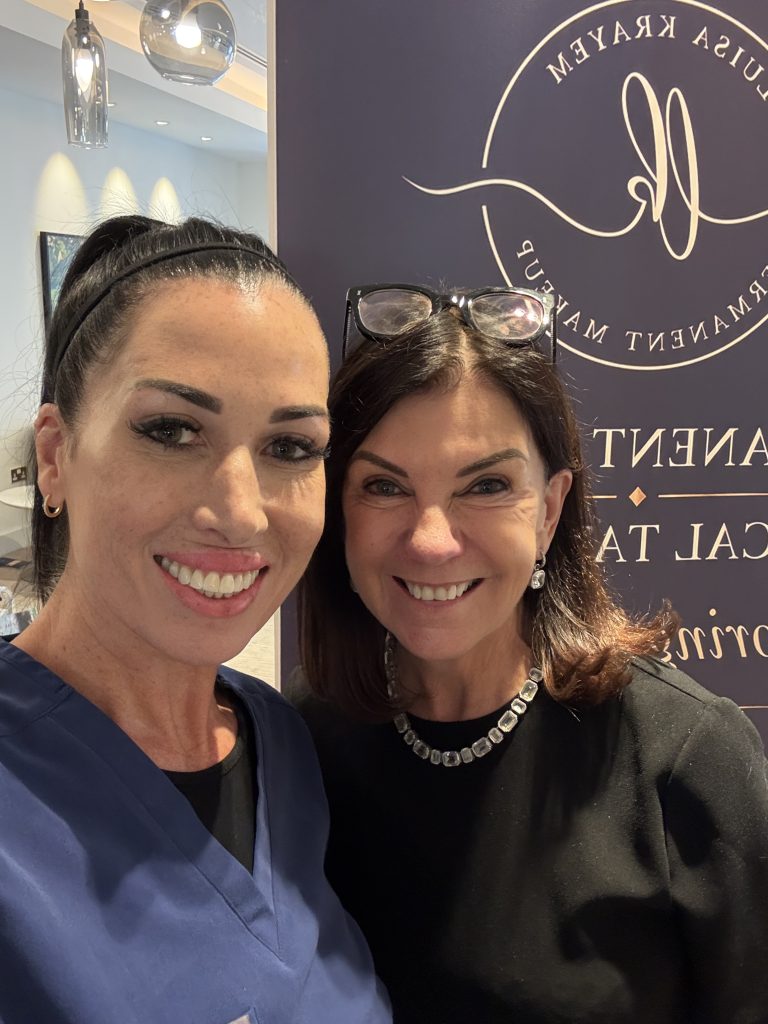
On 19 October 2026, Luisa was delighted to be invited by Dr Dawn Harper to speak at the Living Well With and Beyond Cancer event, hosted by Rangeford’s Siddington Park in partnership with Charlie’s in Gloucester.
The event brought together professionals and members of the community to explore the support available to people living with and beyond cancer.
Luisa’s talk focused on a subject particularly close to her heart: what we can restore following cancer treatment and how small changes to our appearance can make a significant difference to confidence.
Having worked in the beauty industry for over 25 years, including more than a decade specialising in permanent makeup, Luisa has supported many clients experiencing changes to their appearance through illness, hormonal changes, surgery and ageing.
An important message from the talk was that there are restorative treatments available that many people simply don’t know about.
What Is Medical Tattooing After Cancer?
Medical tattooing, sometimes called restorative or paramedical tattooing, uses specialist pigmentation techniques to recreate or improve the appearance of features affected by surgery, illness or injury.
Unlike traditional decorative tattooing, the aim is usually to achieve a natural appearance that complements the individual’s existing features.
Depending on someone’s circumstances, medical tattooing and related treatments may help restore the appearance of eyebrows, nipples and areolas, or reduce the visibility of certain areas of hair loss.
Every treatment requires an individual assessment, and the appropriate timing will depend on recovery, skin condition and medical history.
3D Areola and Nipple Tattooing After Breast Surgery
For people who have undergone a mastectomy or breast reconstruction, the loss or alteration of the nipple and areola can be a lasting reminder of their cancer experience.
3D areola tattooing is a specialist medical tattooing technique that uses carefully selected pigments, shading and colour to create a realistic representation of the nipple and areola.
The technique can create the illusion of a three-dimensional nipple on otherwise flat skin, without further reconstructive surgery.
For some clients, areola restoration is an important final stage of breast reconstruction. For others, it is simply something they choose to do for themselves, sometimes many years after surgery.
There is no right or wrong decision, and no particular timeframe in which someone must choose to have this treatment.
Our Free Friday Areola Tattooing Clinic
We believe that financial circumstances should not prevent someone from accessing restorative areola tattooing.
Throughout the year, we allocate selected Fridays at our Tetbury clinic to provide free areola tattooing for people who would otherwise be unable to afford this treatment.
These appointments are subject to availability, individual suitability and appropriate healing following surgery or treatment.
If you would like to enquire about our Free Friday Areola Clinic, please get in touch with Luisa for a confidential conversation.
Eyebrow Restoration Following Chemotherapy or Hair Loss
Eyebrows play an important role in framing our faces and creating expression.
Chemotherapy and other medical treatments can lead to eyebrow thinning or loss. Although eyebrow hair often grows back, some people experience lasting changes in density, shape or growth.
Permanent eyebrow makeup can help recreate the appearance of natural eyebrows using specialist techniques, including:
- Hairstroke eyebrows: Fine, hair-like markings designed to imitate natural eyebrow hairs.
- Powder eyebrows: A soft, shaded finish to create gentle definition.
- Combination eyebrows: A blend of techniques to create a natural-looking result tailored to the individual.
For clients who have spent months or years drawing their eyebrows on every morning, permanent makeup can make everyday life a little easier.
We carefully assess the skin, natural hair growth and medical circumstances before recommending treatment.
Scalp Micropigmentation for Hair Loss After Cancer
Hair loss can be one of the most visible and emotionally challenging effects of cancer treatment.
Although hair often regrows following chemotherapy, some people experience persistent thinning or areas of permanent hair loss.
Scalp micropigmentation (SMP) uses tiny deposits of pigment to create the illusion of hair follicles or increased hair density.
For women with thinning hair, SMP can reduce the contrast between the scalp and existing hair, making areas of thinning less noticeable.
It may also be suitable for some areas of scarring or permanent hair loss, following individual assessment.
Scalp micropigmentation does not stimulate new hair growth. Instead, it provides a cosmetic solution that may help people feel more comfortable with the appearance of their hair.
Restorative Lip and Eyeliner Permanent Makeup
Changes to skin, hair and facial definition can sometimes affect how someone feels about their appearance.
Where medically appropriate, subtle permanent makeup treatments may help restore definition to the lips or eyes.
Lip blush can enhance the appearance of the natural lip border and introduce a gentle wash of colour, while permanent eyeliner can help define the eyes without the daily application of makeup.
Our approach is always focused on natural-looking results, rather than dramatic changes.
These treatments are not suitable for everyone, particularly during active treatment or while the skin is recovering. A thorough consultation and medical clearance where necessary are essential.
Makeup and Skin Advice During and After Cancer Treatment
Not everyone wants or needs a cosmetic treatment.
Sometimes, simple changes to a makeup routine can make a significant difference.
Cancer treatment and certain medications can affect skin sensitivity, hydration, texture and overall appearance. Products that worked perfectly well before treatment may no longer feel comfortable or perform in the same way.
During our talk at Siddington Park, we also explored practical ways to adapt makeup to changing skin and facial features.
This can include choosing more comfortable foundation textures, adjusting application techniques, working with thinning eyebrows and finding alternatives to products that no longer suit the skin.
Our aim is to help clients feel informed and confident, without pressure to wear more makeup or undergo treatments they don’t need.
Anyone undergoing cancer treatment should seek advice from their oncology team before introducing new products or cosmetic procedures where there are concerns about skin sensitivity or healing.
When Can You Have Medical Tattooing After Cancer?
The right time for medical tattooing varies from person to person.
Factors we consider include:
- Whether cancer treatment is ongoing or completed.
- Skin healing and sensitivity.
- The location and type of any previous surgery.
- Medication and medical history.
- The condition of scars or reconstructed tissue.
- Whether medical clearance is required.
For areola tattooing, the breast and surrounding tissue need sufficient time to heal following surgery or reconstruction.
We never recommend proceeding with a treatment simply because a client is keen to have it done. Safety, appropriate timing and realistic expectations always come first.
Specialist Medical Tattooing in Tetbury, Gloucestershire
Luisa Krayem Clinic is based in Tetbury, in the Cotswolds, welcoming clients from Gloucestershire, Wiltshire, Bristol, Bath and further afield.
Our private, appointment-only clinic offers a calm and supportive environment where clients can discuss concerns about their appearance without feeling rushed or pressured.
We understand that conversations about cancer, surgery, hair loss and changes to our bodies can be deeply personal.
Some clients come to us knowing exactly what they would like. Others simply want to understand the options available.
Both are equally welcome.
Helping You Feel Like Yourself Again
One of the most important messages from the Living Well With and Beyond Cancer event was that support doesn’t have to end when medical treatment finishes.
For some people, feeling comfortable with their appearance is an important part of moving forward.
Medical tattooing cannot undo everything someone has experienced, but it may help restore a feature that has been lost, reduce a daily frustration or offer a renewed sense of confidence.
Sometimes it’s not about changing how you look. It’s about recognising yourself in the mirror again.
We would like to thank Dr Dawn Harper for inviting Luisa to speak, and Rangeford’s Siddington Park and Charlie’s in Gloucester for bringing people together for such a worthwhile event.
Would You Like to Discuss Medical Tattooing or Restorative Treatments?
If you or someone you love has experienced changes to their appearance following cancer, we would be happy to explain the options available.
Whether you’re interested in eyebrow restoration, scalp micropigmentation, medical areola tattooing or our Free Friday Areola Clinic, you can arrange a confidential conversation with Luisa.
Send us a message to discuss your circumstances and find out whether one of our treatments may be suitable for you.
Luisa Krayem Clinic
Tetbury, Gloucestershire
Specialists in permanent makeup, medical tattooing and confidence restoration.