
If you grew up in the 1990s, there’s a good chance you remember the pencil-thin eyebrow trend.
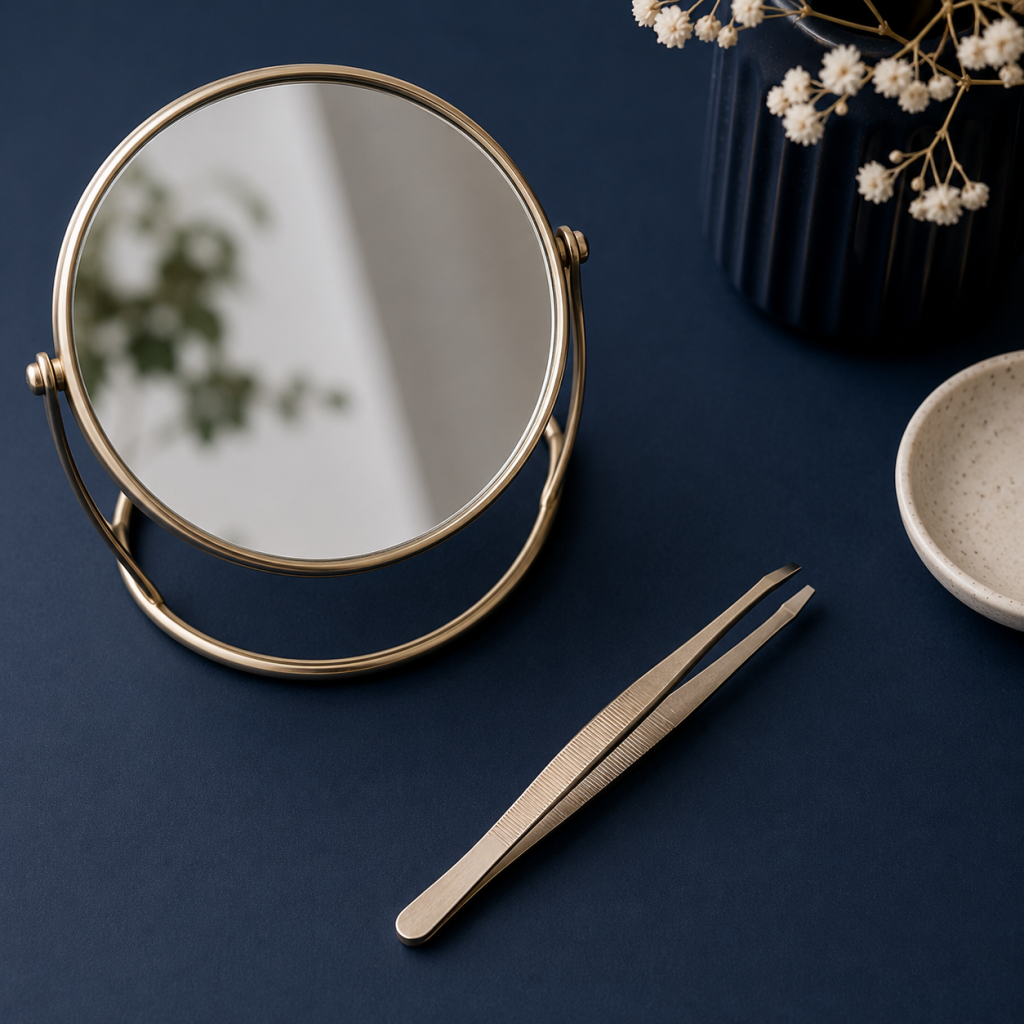
Back then, the smaller the eyebrow, the better. Armed with a magnifying mirror and a trusty pair of tweezers, many of us spent years removing “just one more hair”, convinced it would all grow back.
For some women, it did.
For many others, it didn’t.
In fact, one of the most common things I hear in clinic is:
“I wish I’d never over-plucked my eyebrows.”
If that sounds familiar, you’re certainly not alone.
Why don’t eyebrows always grow back?
Eyebrows naturally grow in cycles, just like the hair on your head. Each hair has a growth phase, a resting phase and a shedding phase.
Repeatedly plucking the same hair over many years can eventually damage the follicle. When this happens, the hair may become finer, grow more slowly or stop growing altogether.
Of course, over-plucking isn’t the only reason eyebrows become thinner.
I regularly see clients whose brows have changed because of:
- Hormonal changes during perimenopause and menopause
- The natural ageing process
- Thyroid conditions
- Alopecia
- Certain medications or medical treatments
- Stress or illness
- Genetics
For many women, it’s actually a combination of several of these factors.
It’s about more than eyebrows
People often tell me they feel as though they look tired, older or permanently surprised without their eyebrows.
What many don’t realise is how much eyebrows frame the face. Even subtle thinning can completely change your appearance and, more importantly, how you feel when you look in the mirror.
The women I meet aren’t looking for dramatic Instagram brows.
They’re looking for themselves again.
What can you do if your eyebrows have become sparse?
The right solution depends entirely on the reason your eyebrows have thinned.
If hair follicles are still active, some people may notice improvement with time, medical advice where appropriate or targeted brow care.
However, if the hair has permanently reduced or disappeared, cosmetic solutions may offer a more predictable result.
This is where permanent makeup can make such a difference.
Using advanced techniques, it’s possible to create the illusion of fuller, beautifully balanced eyebrows that suit your face, skin and colouring. Modern permanent makeup is very different from the solid, heavy brows many people remember from years ago.
My approach is always to create eyebrows that look soft, natural and believable. The goal isn’t for people to notice your permanent makeup. It’s for them to notice that you look well, rested and more confident.
Every face is different
There is no one-size-fits-all eyebrow.
Some clients suit delicate hairstroke brows that mimic individual hairs. Others achieve a softer result with powder brows or a combination technique.
Choosing the right approach depends on many factors, including your existing eyebrow hair, skin type, lifestyle and the look you’d like to achieve.
That’s why every treatment begins with a detailed consultation. We spend time discussing your goals, assessing your skin and facial features, and deciding whether permanent makeup is the right option for you.
Sometimes the answer is yes.
Occasionally, I’ll advise that another approach would be better.
Honest guidance will always come before recommending treatment.
You’re not the only one
If you’re still paying the price for the 90s eyebrow trend, please know you’re in very good company.
Every week I meet women who thought they were the only person regretting those years spent with tweezers in front of the bathroom mirror.
The truth is, it’s incredibly common.
The good news is that if your eyebrows never fully recovered, there are options available, and with today’s techniques, beautifully natural-looking results are more achievable than ever before.
If you’d like to find out whether permanent makeup could be right for you, I’d be delighted to welcome you to my clinic near Tetbury for a relaxed, no-pressure consultation. Together, we can discuss your options and create a plan that’s right for you.